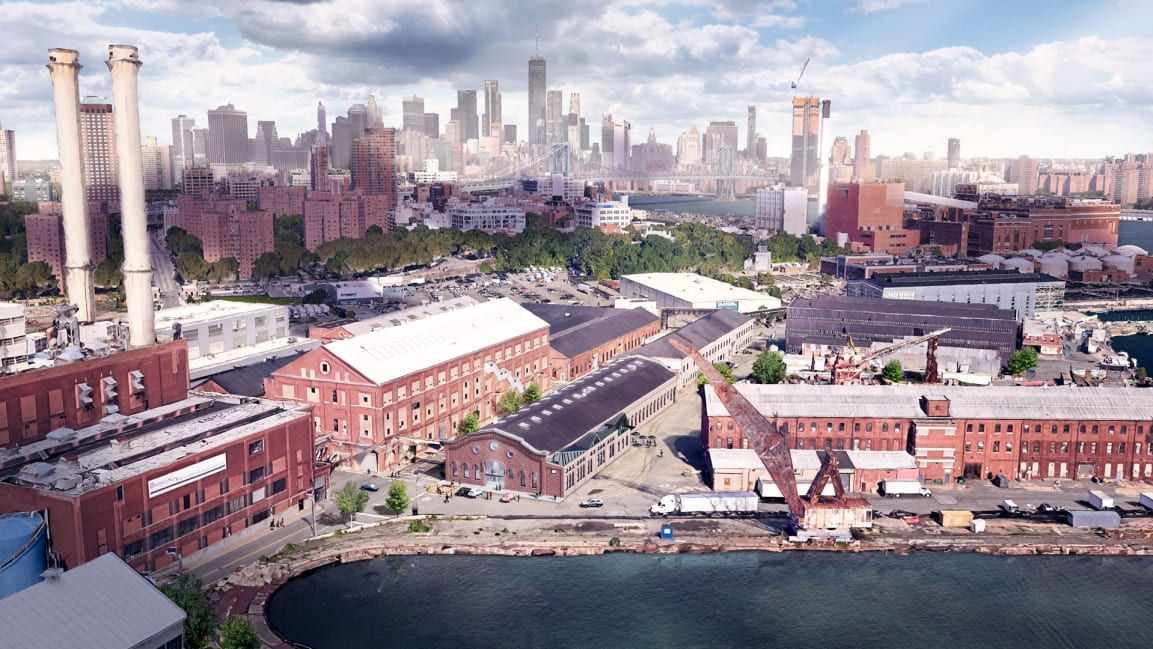
When you think of factory jobs (especially for military gear), you might picture a dirty, dark, loud warehouse filled with dangerous machines and deflated laborers. You might have an idea of factory jobs as becoming obsolete with the rise and evolution of new technologies. But one combat gear factory in Brooklyn's Navy Yard has big plans to change that by completely re-imagining the factory workplace and shaping a totally new type of manufacturing industry - one that is clean, cooperative, and puts workers first.
One thing is certain, consumer needs change constantly, and combat wear company Crye Precision recognizes the limitations of technology to adapt to these changes as quickly as they come. People on the other hand are incredibly adaptive, and don't need to be reprogrammed in order to accommodate change. They among one of the companies heading the shift in manufacturing to bring people and technology closer in way that not only benefits consumers, but the workers and the neighborhoods in which factories are located.
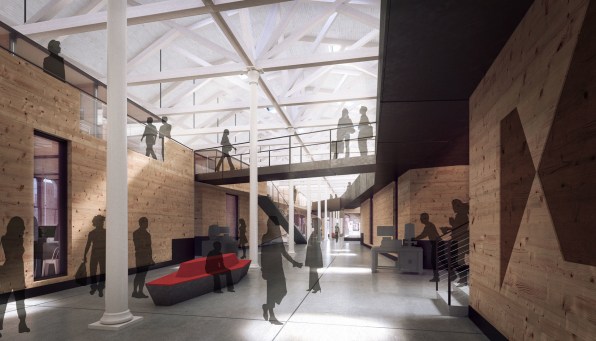
changes have been implemented. The facility is bright and clean, with garden spaces and a big-windowed cafeteria when you first walk in. On the bottom floor are the sewing and assembly rooms, and the top floor houses offices, extra sewing facilities, sales, and product review areas.
Currently, the Navy Yard supplies New Yorkers with 9.500 jobs, but plans to provide another 11,000 in the next few years. These jobs will be predominantly manufacturing, with a mix of office jobs as well as film production. Their goal is to seamlessly integrate manufacturing operations with white collar offices, production studios, restaurants and shops, grocery stores, and gardens. They intend to provide a physical environment that provides opportunity for people from different departments to run into each other, collaborate, and share ideas. Much like here in Hawaii, their construction will have to focus on building up rather than out, and they'll have to ensure that manufacturing is clean so as not to disrupt or harm nearby residents.
Another goal of this ambitious project is to bring all of the steps in the manufacturing process on one campus as a means to streamline the manufacturing process and build closer connection to the product. This is key as the costs of manufacturing overseas rises and consumers demand increasing speed and personalization of products.
However, creating more jobs and improving production are not enough on their own - the Navy Yard also wants to invest in its workers and the next generation of factory workers. They currently work with local schools to offer vocational training to ensure that jobs at the yard are accessible to locals. They've also opened their own high school on the yard to allow qualified high school students the opportunity to spend half of their schooldays learning a curriculum influenced by the equipment, jobs, and working cultures at the Navy Yard. This school also plans to offer training for adults, with the right to use the space for adult training and education written into the lease.
With the manufacturing industry making its return to the United States, and to urban areas in particular, it will be interesting to see how these changes come to Hawaii. And as the price of goods and shipping rise, we'll have to get just as creative to deliver products to consumers and create sustainable, healthy jobs for Hawaii residents.