When you're trying to buy a house, you'll often hear lenders and realtors warn against financing a new car at any stage in the process. There's a good reason for that - car loans can get out of hand really quickly. If you don't have picture perfect finances (which most of us rarely do!), car loans can make or break whether you qualify for your mortgage.
Besides falling behind on payments, one of the worst things that can happen to your car loan is it goes upside down. That means that you owe more money on the loan than the car is actually worth. Unfortunately, it's a pretty easy situation to find yourself in.
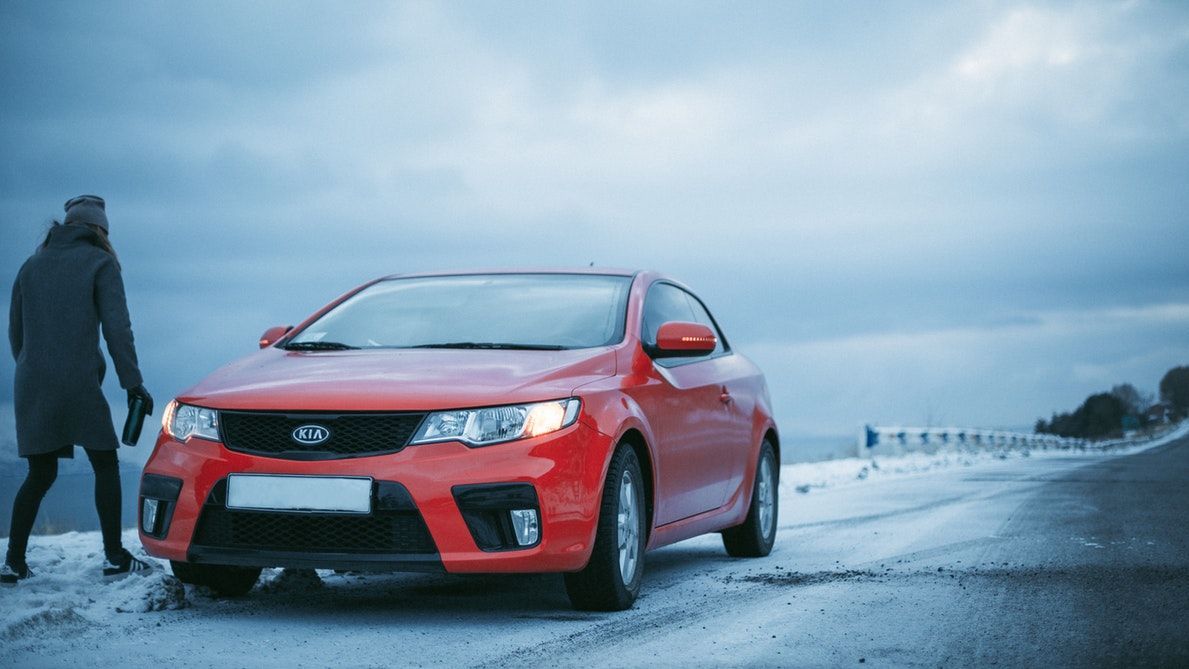
Source: Vruyr Martirosyan on Unsplash
Beware of Depreciation
You might have heard that the value of your car begins to depreciate the moment you drive it off the lot. A brand new vehicle loses 10% of its value within the first month ownership, a total of 20% in the first year, and 10% more each year after that. This depreciation is caused by the extreme amount of wear and tear a vehicle experiences, especially here in Hawaii where the salt air is corrosive and the roads...not ideal.
A car, while considered an asset, is not an investment. That means you want to minimize your loan amount, relative to the value of the car. You can do this by making as large of a down payment as (reasonably) possible.
What Happens When You Are Underwater on Your Car Loan?
Technically nothing will happen to your loan or your car if the loan goes underwater. That is, unless there is another problem. If you get into an accident and your car is totaled, the maximum amount that your insurance company is going to pay you is the fair market value of your car - not what you still owe on your car loan. That means you will be stuck paying off a loan for a car that doesn't even exist anymore.
How to Avoid Going Underwater on Your Loan
There are some pretty simple principles to follow to help you avoid an underwater car loan:
-
Down payments are your friend: A substantial down payment will help to minimize the amount of your loan, and consequently how much interest you pay on your loan. This also means you will pay off your loan more quickly. You want to aim for a down payment of at least 20% on both new and used cars.
-
Faster repayment: It makes sense, the faster you pay off your loan, the less interest you pay and the less likely you are to go underwater on your car loan. This could mean making higher monthly payments or making additional payments (if there is no penalty).
-
Set reasonable expectations: It's pretty cut and dry - figure out how much you can afford to pay in car loans, and stick to your budget. It's not fun, especially if the nice car with all the gadgets isn't in that budget.
And that's the bottom line. If you want to stay above water on your car loan, or with any of your finances really, you need to realistic about your budget and you need to stick to it. A little frugality and restraint now will help you achieve financial freedom and peace of mind down the road.
Original article: "What is an Upside Down Car Loan?" posted by thebalance.com on 06 Feb 2019