You'll probably see and hear it a lot when you start house hunting: "the house is in escrow." But no one really tells you what that means until you get an accepted contract on a house.
In real estate, an escrow account is a secure holding area where important terms (like earnest money, and contracts) are kept safe by an escrow agent until the deal is officially closed. The responsibility of the escrow agent is to ensure that all of the conditions of the contract are met by all parties before the sale closes.
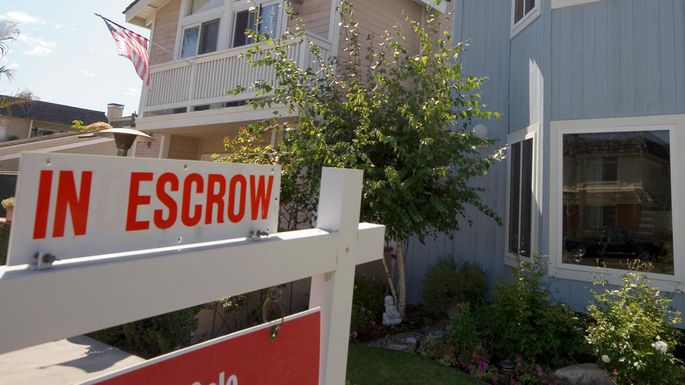
Source: Realtor.com
How Escrow Works
An escrow agent is a third party in the transaction - they have no stake with the borrower or seller (or their agents). They facilitate the transfer of all funds and documents, and protects all of the parties involved by ensuring that funds and property do not change hands until all of the conditions of the contract have been met. These conditions could (and usually do) include the inspection, appraisal, termite inspection, repairs, and any other tasks outlined in the contract. When each task is completed, the buyer or seller signs off with a contingency release form and the transaction moves forward. Once all of the conditions are met, the transaction can closed and money and property can change hands. An escrow officer will clear (record) the title, and the buyer officially owns the home.
How Much Does Escrow Cost?
Title & Escrow fees vary, but they usually cost around 1% to 2% of the cost of the home. Here in Hawaii, some escrow companies will even give a discount on their fees to Veterans!
The Earnest Money Deposit
Earnest money, sometimes referred to as a good-faith deposit or an escrow deposit, it a payment from buyers deposited into an escrow account after a seller accepts their offer. This deposit stays in escrow for the duration of the transaction. You can think of this like a safety deposit on an offer - the deposit will be used to compensate the seller if the buyer breaches contract or fails to close. If all goes smoothly, the buyer can get the deposit back at the end of the transaction, or they have the option to use it to help cover closing costs.
Why Do I Keep My Escrow Account After I Close?
Once you've closed and you begin making monthly payments to your lender, part of the money goes to your mortgage, and part of the money goes into the escrow account for property taxes and insurance premiums. When those bills are due, your lender will take the funds from your escrow account to pay them.
How Escrow Protects You
Escrow can seem like a bit of a hassle. But there are a lot of unknowns when buying a home, especially when it comes to inspections and appraisals. Escrow protects both parties by making sure they uphold their ends of the deal. As a buyer, you don't want to forfeit over any money until you are assured that the home meets the standards agreed on in the contract. As a seller, you don't want to be left with nothing when a buyer pulls out of a contract because they got cold feet or don't qualify for financing. Escrow helps to mediate problems in the transaction and the damages that might be caused.